
24/7 Texas & Louisiana Storm, Floodwater & Wound Triage
Gulf Coast Storm, Floodwater Exposure, Tetanus & Wound Infection Triage
After heavy Gulf Coast storms, flash flooding, or yard cleanup across Texas and Louisiana, minor cuts, puncture scrapes, floodwater skin exposure, and temporary clinic closures create urgent medical questions. Our Texas and Louisiana emergency clinicians examine wounds and rashes 24/7 over live HD video. We check wound depth, tetanus booster timing, and early skin infection borders on camera, and help displaced residents maintain chronic care continuity when neighborhood offices are closed.
Shared TX & LA 24/7 Solv Queue: One booking link serves all 254 Texas counties and all 64 Louisiana parishes.
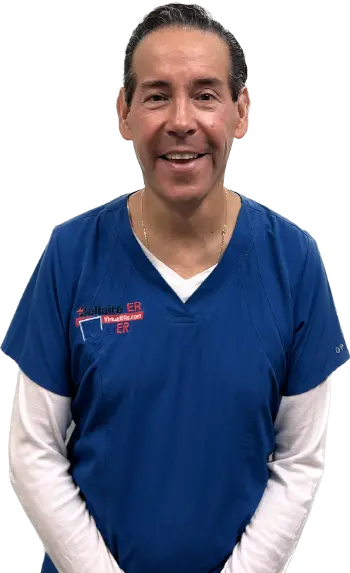

Symptoms & Presentations Evaluated on Video
- Scrapes, minor cuts, or splinters sustained during storm cleanup, fence repair, or debris removal
- Redness, warmth, or swelling around a skin break exposed to rainwater, bayou water, or brackish coastal water
- Questions about whether your cut needs a tetanus booster shot (5-year vs. 10-year rule)
- Itchy floodwater contact dermatitis, fire ant stings, or mosquito-borne skin reactions after standing water exposure
- Displaced Texas or Louisiana patients needing interim maintenance medication continuity while local doctor offices are closed
How Our Clinicians Evaluate & Manage Your Care
During your 24/7 video visit, our Texas or Louisiana clinician inspects your injury in bright light, guides immediate high-volume wound cleansing, calculates your exact tetanus window, and outlines a targeted skin recovery plan or directs you to an open emergency facility when hands-on care is required.
How Emergency Clinicians Evaluate Storm Wounds & Flood Exposure on Video
Using close-up smartphone camera lighting, our emergency clinicians apply standard wound management and infectious disease protocols:
Wound Depth, Gaping & Tendon Function Check
On camera, we inspect whether the skin edges stay together naturally and watch you move every finger or toe joint through a full range of motion. Gaping cuts that expose fat or muscle or have numbness require in-person sutures.
The 5-Year vs. 10-Year Tetanus Booster Rule
For a clean minor indoor cut, a tetanus booster is good for 10 years. For any dirty, outdoor, soil-exposed, or puncture wound during storm cleanup, emergency guidelines recommend a Tdap or Td booster if your last shot was more than 5 years ago.
Brackish & Floodwater Soft-Tissue Screen
Wounds exposed to warm Gulf Coast brackish water or bayou runoff carry unique bacterial risks (including Vibrio and Aeromonas species). We inspect the skin border closely and outline the redness with a pen to catch rapid spread early.
Displaced Patient Continuity & Chronic Care Review
If storms or flooding displaced you from your home in Texas or Louisiana, our clinicians review your regular blood pressure, asthma, thyroid, or diabetes care routine on video so you do not suffer a preventable flare.
Clean Superficial Scrape vs. Contaminated Storm Wound vs. Hospital ER Emergency
See how our Texas and Louisiana clinicians classify post-storm injuries:
| Clinical Presentation | What We Check on Live Video | Care Plan vs. In-Person Escalation |
|---|---|---|
| Superficial Clean Scrape or Minor Cut | Shallow skin break with edges sitting flat together, normal finger/toe movement, tetanus shot within 5 to 10 years | High-volume clean tap or bottled water irrigation, topical wound care plan, and daily camera border monitoring |
| Localized Early Cellulitis or Fire Ant Bite Reaction | Mild localized redness and warmth around a bug bite or minor scrape without fever, blisters, or red streaks | 24/7 video evaluation, pen-border tracking protocol, and targeted skin infection care plan |
| Puncture Wound or Cut Needing Tetanus Booster / Stitches | Deep nail puncture, gaping wound edges, retained wood/glass debris, or tetanus shot >5 years ago on a dirty wound | Direct referral to an open urgent care or emergency department for wound exploration, sutures, and a Tdap booster within 48 hours |
| Rapidly Spreading Brackish-Water Infection or Carbon Monoxide Exposure | Rapidly expanding redness, purple skin blisters, severe pain out of proportion, fever, or headache/dizziness near a portable generator | Immediate 911 / Hospital Emergency Room intervention |
When to Seek Immediate In-Person Emergency Care
Call 911 or go to the nearest hospital emergency room immediately if a wound has spurting or uncontrolled bleeding, purple or hemorrhagic blisters after coastal/floodwater exposure, red streaks climbing the limb, fever with chills, or if anyone in your home develops headache, nausea, or confusion while a portable generator is running.
Real Texas & Louisiana Telemedicine Scenarios
Post-Storm Yard Cleanup Forearm Scrape & Tetanus Check
Situation: A homeowner in Brazoria County scrapes a forearm on tree branches while clearing storm debris and notices mild redness the next morning.
Video Evaluation: Dr. Anthony Phi examines the shallow scrape on HD video, confirms full wrist and finger motion, verifies the patient received a Tdap shot 3 years ago, and marks the border.
Outcome: The patient receives a structured wound care plan from home without driving through flooded intersections.
Brackish Water Leg Cut Escalated Early to a Hospital ER
Situation: A resident in Houma wades through brackish standing water with a shin scrape and develops tense swelling, fever, and blistering within 18 hours.
Video Evaluation: Our Louisiana clinician spots high-risk waterborne soft-tissue warning signs on camera immediately.
Outcome: The clinician routes the patient straight to a regional hospital ER for immediate IV therapy and surgical wound evaluation.
Verified Clinical Team · Statewide 24/7 Texas & Louisiana Telemedicine
Meet the Physicians & Nurse Practitioners Behind Your Care
Every video visit is conducted by our licensed emergency physicians, family medicine physicians, physician assistants, and emergency nurse practitioners. Our clinicians provide hospital-grade 24/7 telemedicine anywhere in Texas and Louisiana.
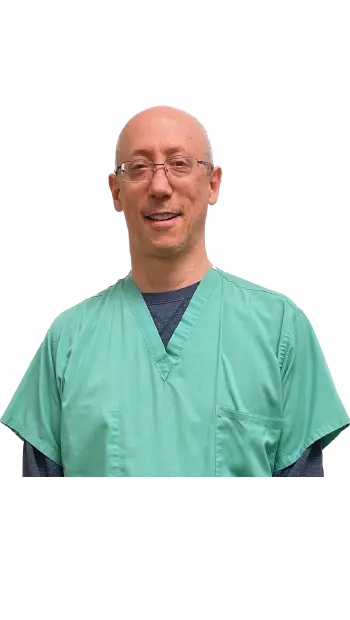






Emergency-Trained Clinical Depth, Delivered Statewide From Home
Unlike generic telehealth call centers, Virtual ERs is staffed by practicing emergency medicine clinicians who evaluate acute symptoms over live HD video, coordinate same-day care plans in your neighborhood, and guide in-person diagnostic or emergency escalation whenever needed.
Meet all 15 physicians & nurse practitioners on our team →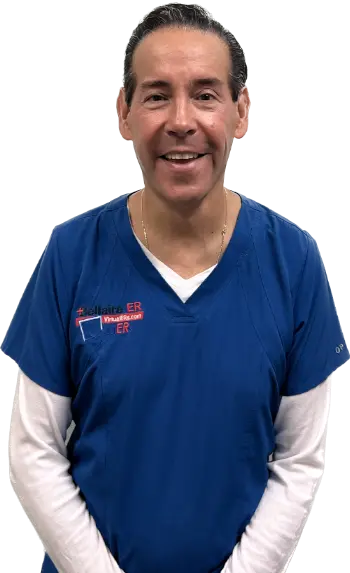
Common Questions
How soon do I need a tetanus shot after a dirty outdoor cut?
If your last tetanus booster was more than 5 years ago and you get a dirty outdoor cut, scrape, or puncture wound, you should receive a tetanus booster within 48 hours (and sooner is always better). A tetanus booster is an in-person injection available at open pharmacies, urgent care clinics, and emergency rooms.
Why are cuts exposed to Gulf Coast floodwater or bayou water treated differently?
Warm coastal, brackish, and flood waters in Texas and Louisiana carry waterborne bacteria that standard minor skin scrapes do not. Any skin break exposed to floodwater should be washed thoroughly with clean soap and bottled or boiled water right away and evaluated by a clinician if any redness or pain develops.
What are the warning signs of portable generator carbon monoxide poisoning after a storm?
Carbon monoxide is odorless and colorless. If anyone in your household develops a dull headache, dizziness, nausea, weakness, or confusion while a generator or charcoal grill is operating nearby, get everyone into fresh air immediately and call 911.
Can Virtual ERs help if I evacuated to another city in Texas or Louisiana without my regular medications?
Yes. Because Virtual ERs operates statewide across all 254 Texas counties and all 64 Louisiana parishes, our clinicians can review your maintenance care history by video from wherever you evacuated and coordinate interim care continuity.
Ready to Start Your 24/7 Video Evaluation?
Connect from anywhere in Texas or Louisiana with no app download and no waiting room.