
Manage High Blood Pressure Online
See a board-certified ER physician or NP by video — 24/7. · Browse All Condition Guides →
Can You Manage High Blood Pressure Through Telemedicine?
Yes. Telemedicine is one of the most effective ways to manage high blood pressure (hypertension) because blood pressure monitoring happens at home, not in a doctor’s office. At Virtual ER, a board-certified physician reviews your home blood pressure readings via video, adjusts or prescribes medication, discusses lifestyle modifications, and schedules follow-up visits — all without an office trip. Studies show that telemedicine-based blood pressure management achieves better long-term control than traditional office-only visits.
Home monitoring eliminates “white coat hypertension” (elevated readings caused by the stress of being in a doctor’s office) and provides a more accurate picture of your daily blood pressure patterns.
How Telemedicine Blood Pressure Management Works
Initial Evaluation
- Start a telemedicine visit — Available 24/7.
- Share your blood pressure readings — Show your home monitor readings on camera, or read them aloud. Ideally, take readings at the same time each day for 5-7 days before your visit.
- Discuss your health history — The doctor asks about symptoms, current medications, family history, diet, exercise, and other risk factors.
- Get a treatment plan — Medication prescribed or adjusted, lifestyle recommendations provided, and follow-up schedule established.
Ongoing Management
Hypertension is a chronic condition that requires ongoing monitoring and adjustment:
- Regular telemedicine check-ins — Monthly initially, then every 3-6 months once stable
- Home blood pressure tracking — Log your readings between visits
- Medication adjustments — Doses fine-tuned based on your actual home readings
- Follow-up visits — Quick video check-ins to review progress
Blood Pressure Medications Prescribed via Telemedicine
A telemedicine doctor can prescribe and manage all major classes of blood pressure medication:
ACE Inhibitors
- Lisinopril, enalapril, ramipril
- Relax blood vessels by blocking angiotensin-converting enzyme
ARBs (Angiotensin Receptor Blockers)
- Losartan, valsartan, olmesartan
- Similar to ACE inhibitors, often used when ACE inhibitors cause cough
Calcium Channel Blockers
- Amlodipine, nifedipine, diltiazem
- Relax blood vessel walls
Diuretics (“Water Pills”)
- Hydrochlorothiazide, chlorthalidone
- Reduce blood volume by increasing urine output
Beta-Blockers
- Metoprolol, atenolol, carvedilol
- Slow heart rate and reduce the force of heart contractions
Combination Medications
- Lisinopril-hydrochlorothiazide, amlodipine-benazepril
- Combine two mechanisms in one pill for better compliance
Your doctor selects the medication (or combination) based on your blood pressure level, age, other medical conditions, kidney function, and potential side effects. Prescriptions are sent electronically to your pharmacy.
How to Monitor Blood Pressure at Home
Accurate home monitoring is essential for telemedicine blood pressure management:
Choosing a Monitor
- Automatic upper-arm cuff monitors are most accurate (avoid wrist monitors)
- Look for devices validated by the American Medical Association (AMA) or Association for the Advancement of Medical Instrumentation (AAMI)
- Popular reliable brands: Omron, Withings, A&D Medical
Taking Accurate Readings
- Sit quietly for 5 minutes before measuring
- Sit with feet flat on the floor, back supported, arm on a table at heart level
- Do not talk, eat, smoke, or exercise for 30 minutes before measuring
- Take 2-3 readings one minute apart and record the average
- Measure at the same times daily — morning before medication and evening are recommended
- Use the same arm each time
What the Numbers Mean
- Normal: Below 120/80 mmHg
- Elevated: 120-129 / below 80 mmHg
- Stage 1 Hypertension: 130-139 / 80-89 mmHg
- Stage 2 Hypertension: 140+ / 90+ mmHg
- Hypertensive Crisis: Above 180/120 mmHg — seek immediate medical attention
Lifestyle Modifications for Blood Pressure
Medication is important, but lifestyle changes can reduce blood pressure by 5-20 mmHg:
Diet
- DASH diet — Fruits, vegetables, whole grains, lean protein, low-fat dairy
- Reduce sodium — Aim for under 2,300 mg/day (ideally 1,500 mg/day)
- Increase potassium — Bananas, potatoes, spinach, beans
- Limit alcohol — No more than 1 drink/day for women, 2 for men
Exercise
- 150 minutes per week of moderate aerobic activity (brisk walking, cycling, swimming)
- Resistance training 2-3 times per week
- Even 10-minute walks after meals help lower blood pressure
Weight Management
- Losing 10 pounds can lower systolic blood pressure by 5-10 mmHg
- Every 2.2 pounds lost = approximately 1 mmHg reduction
Stress Management
- Deep breathing exercises, meditation, yoga
- Adequate sleep (7-9 hours per night)
- Texas heat and Houston-area humidity can affect blood pressure — stay hydrated
When High Blood Pressure Needs Emergency Care
Go to the ER or call 911 if you experience:
- Blood pressure above 180/120 with symptoms (headache, chest pain, vision changes, shortness of breath, nosebleed)
- Chest pain or pressure — Could indicate a heart attack
- Sudden severe headache — Could indicate a stroke
- Difficulty speaking or sudden weakness on one side — Stroke symptoms (remember FAST)
- Sudden vision changes
- Severe shortness of breath
- Blood pressure above 180/120 even without symptoms — Seek same-day medical evaluation
Virtual ER can refer you to our physical ER at 5306 Bellaire Blvd, Bellaire TX 77401 if your blood pressure readings indicate a hypertensive emergency.
Why Telemedicine Is Ideal for Blood Pressure Management
More Accurate Readings
Office blood pressure readings are taken in an artificial environment. Home readings — taken repeatedly over days and weeks — provide a far more accurate picture. Your telemedicine doctor bases decisions on your real-world data, not a single snapshot.
More Frequent Adjustments
Getting an office appointment every time your medication needs tweaking can take weeks. Telemedicine allows your doctor to see your readings and adjust doses quickly, getting your blood pressure under control faster.
Better Long-Term Adherence
Convenience matters for chronic conditions. When follow-up visits are easy (10-minute video calls from home), patients keep their appointments and stay on their medication. This translates to better long-term blood pressure control and lower risk of heart attack, stroke, and kidney disease.
Frequently Asked Questions
Do I need a home blood pressure monitor for telemedicine visits?
Yes, a home monitor is strongly recommended for telemedicine-based blood pressure management. Automatic upper-arm cuff monitors cost $30-$60 and are widely available. Your doctor can recommend a specific model during your visit. See our hypertension page for more.
Can telemedicine start me on blood pressure medication for the first time?
Yes. If your home readings consistently show elevated blood pressure (130/80 or higher), a telemedicine doctor can prescribe first-line medication after reviewing your health history and risk factors. Some patients may benefit from initial lab work (kidney function, electrolytes), which can be coordinated with a local lab.
How often should I have follow-up telemedicine visits for blood pressure?
Initially, monthly visits are recommended until your blood pressure is consistently at target. Once stable, every 3-6 months is typical. Your doctor may recommend more frequent visits if medication is being adjusted.
Can I stop taking blood pressure medication if my readings improve?
Never stop or reduce blood pressure medication without consulting your doctor. Improved readings often mean the medication is working. Stopping suddenly can cause dangerous blood pressure spikes. Discuss any medication changes during a telemedicine follow-up.
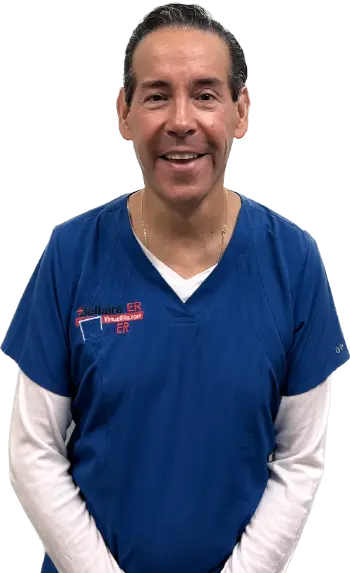
Medically reviewed by Dr. Mario Quintanilla, MD — Chief Medical Director, Bellaire ER. Last reviewed: July 2026.
ContentsClose
Need care now?
Board-certified ER physicians & NPs by video, 24/7. No appointment needed.
Start a VisitCall 1-855-FIND-VER